Building a Professional Lash Artist Kit: What Do You Actually Need?
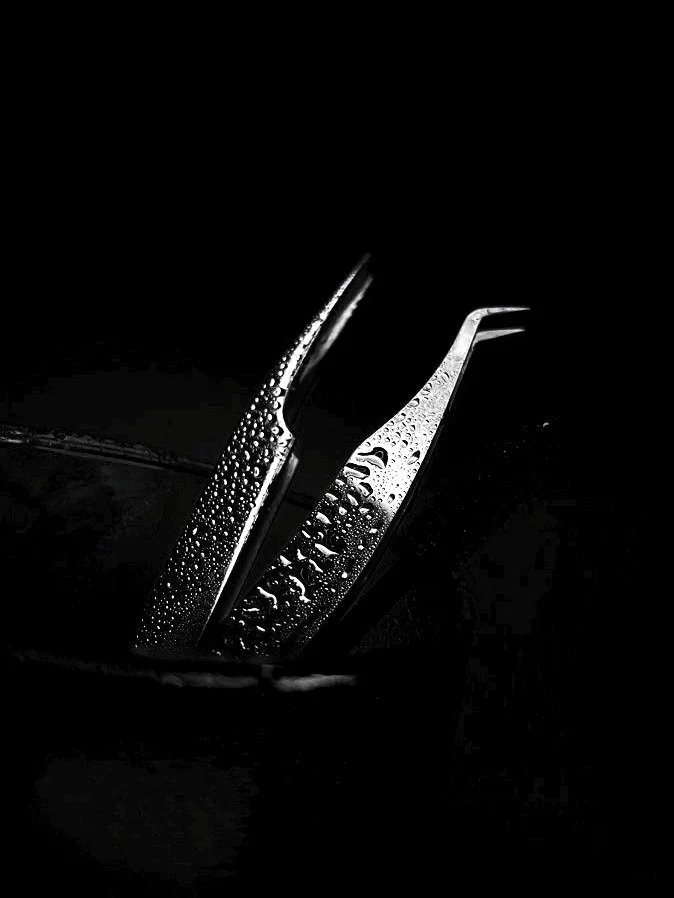
A well-equipped lash artist kit is about more than having every product available. The right supplies should support your technique, the services you offer and the standard of work your clients expect.
Whether you're setting up your first professional lash station or refining an established setup, knowing which lash extension supplies to invest in can make purchasing decisions more intentional.
From lash extension trays and precision tweezers to adhesives, hygiene products and aftercare essentials, each item has a role in creating a professional working environment
.
In this guide, we'll cover the essential lash artist supplies to consider, what each product is used for and how to build a kit around your individual services.
1. Lash Extension Trays
Lash extensions are one of the most important parts of your kit because the fibres you work with directly influence the quality of the sets you can create.
Your lash extension trays should reflect the techniques you offer, the looks your clients request and the specifications you work with most frequently.
What lash trays should a lash artist have?
Classic lash trays
Classic lash extensions are typically applied individually to natural lashes. Artists offering classic sets should select trays that are suitable for their technique and the natural lash characteristics of their clients.
Volume lash trays
Volume lash trays are designed for creating fans of multiple extensions. The diameters commonly used for volume work include 0.03, 0.05 and 0.07 mm, although the appropriate choice depends on the fan size, extension length, natural lash condition and the artist's technique.
Brown lash extensions
Brown lash extensions provide an alternative to traditional black lashes. They can be used to create softer-looking sets and offer another option for clients who prefer a less pronounced finish.
For artists expanding their service menu, brown lashes can be a useful addition alongside black extensions.
Which lash tray lengths, curls and diameters do you need?
Rather than purchasing every available specification, start with the lengths, curls and diameters that suit your most frequently requested sets.
Consider:
Lengths: Stock the lengths you regularly use to create your signature styles.
Curls: Choose the curl options appropriate for the looks you offer and your clients' natural lash characteristics.
Diameters: Select diameters compatible with your technique and the weight your clients' natural lashes can safely support.
Colours: Consider whether black alone meets your clients' needs or whether brown extensions would complement your service menu.
Single-length trays may suit artists who prefer to organise their own working lengths, while mixed-length trays can be convenient when several lengths are needed within one tray.
For artists who specialise in volume, consistency across trays is particularly important. Reliable product specifications help you work with greater predictability when creating fans and planning sets.
2. Professional Lash Extension Tweezers
Your tweezers are among the most frequently used tools in your lash artist kit. The right pair should feel comfortable in your hand and suit the technique you use throughout the day.
Most extension artists will need tweezers for two main functions.
Isolation tweezers
Isolation tweezers are used to separate an individual natural lash from neighbouring lashes. Precise isolation is essential for correct placement and preventing extensions from bonding to multiple natural lashes.
Volume tweezers
Volume tweezers are designed to help artists pick up and manipulate multiple extensions when creating or applying fans. The ideal shape and tension depend on your preferred fan-making technique.
Some artists prefer a particular tweezer shape for handmade fans, while others use different tweezers depending on the diameter and style of lash they are working with.
What makes a good pair of lash tweezers?
Look for:
Consistent tip alignment and closure.
A grip that feels secure without requiring excessive pressure.
A weight and balance that remain comfortable during longer appointments.
A shape that suits your isolation or fan-making technique.
Tweezers are highly personal tools. A popular design is not necessarily the right design for every artist, so test different shapes where possible before purchasing several pairs.
Keep your tools clean and disinfect them according to their material compatibility and the relevant manufacturer instructions.
3. Lash Extension Adhesive
Lash adhesive is another essential component of a professional lash extension kit. Its performance can influence application, retention and the overall working experience.
However, there is no single adhesive that is ideal for every lash artist.
When choosing lash glue, consider the manufacturer's recommended humidity and temperature range, setting time, storage instructions and intended use.
How to choose lash adhesive
Your adhesive should suit your application speed and the environment in which you work.
For example, an adhesive with a faster setting time may suit an experienced artist who works efficiently at that speed. An artist who works at a less experienced pace may need a different setting time.
Environmental conditions also matter. Humidity and temperature can affect adhesive behaviour, so monitor your treatment room conditions and follow the product's specified operating range.
Always use professional products according to their instructions. Lash adhesives are intended for use around a sensitive area and should not contact the eye or skin unless specifically indicated by the manufacturer. Follow appropriate ventilation, exposure-control and eye-safety precautions.
Avoid selecting an adhesive based on retention claims alone. Compatibility with your technique, working environment and safe application practices matters just as much.
4. Lash Cleansers and Preparation Products
Proper preparation is an important part of a consistent lash application routine.
Depending on your treatment protocol, your lash extension supplies may include a suitable lash cleanser, lint-free applicators and other preparation products recommended for professional use.
These products help you prepare the natural lashes before application, following the manufacturer's directions and your training.
Essential lash preparation supplies
Consider keeping the following available:
A suitable lash cleanser.
Lint-free applicators or microbrushes.
Disposable lint-free materials for controlled application.
Any compatible preparation products required by your adhesive system.
Use products intended for the relevant area and purpose. Preparation products are not interchangeable, and additional products should only be introduced when they are appropriate for the client's needs and your professional protocol.
5. Under-Eye Pads, Tape and Application Accessories
Small accessories can make a significant difference to how organised and controlled your lash appointments feel.
Under-eye pads and suitable tape help manage the lower lashes and support access to the lash line during application. They should be selected and positioned carefully to avoid irritating the skin or contacting the eye.
Other useful lash extension accessories include:
Lash brushes or spoolies.
Disposable applicators.
Suitable tape for professional lash application.
Lint-free materials.
A lash palette or another clean, appropriate surface for organising extensions.
A mirror for checking the finished set.
The quantities you need will depend on your appointment volume and whether products are disposable or designed for reuse.
Keep disposable items for single-client use where appropriate, and avoid reusing products that cannot be safely cleaned or disinfected.
6. Hygiene, Cleaning and Disinfection Supplies
A professional lash artist kit must support safe working practices, not just the application itself.
Your setup should include suitable products and procedures for cleaning and disinfecting reusable tools, maintaining a clean workstation and handling disposable materials correctly.
The specific products and contact times required depend on the item being treated and the manufacturer's instructions.
Lash artist hygiene checklist
Before each appointment, make sure you have a clear process for:
Preparing a clean treatment surface.
Washing or sanitising your hands as appropriate.
Using clean tools and handling them without contaminating them.
Separating clean supplies from used tools and waste.
Replacing single-use items between clients.
Cleaning and disinfecting reusable tools using a method suitable for the material and intended use.
Keep your hygiene products accessible so that maintaining your workstation becomes part of your normal appointment routine.
If you work in the UK, check the requirements applicable to your premises and local authority, as well as your training provider's guidance and the instructions for your products.
7. Lash Remover and Corrective Supplies
A professional lash kit should also account for removal and correction, rather than focusing exclusively on application.
A suitable professional lash extension remover may be needed when removing extensions, correcting an application or carrying out a service that requires removal.
Choose a product intended for professional lash extension removal and follow its instructions and the relevant safety precautions. Removers must be kept out of the eye and used with appropriate care.
Depending on your services, you may also need compatible applicators and other materials required by your removal protocol.
Do not improvise with household products or use a remover for a purpose outside its intended application.
8. Aftercare Products and Client Guidance
The client experience does not end when the appointment is complete. Clear aftercare guidance helps clients understand how to care for their extensions and when to return for maintenance.
Your kit may include disposable spoolies, aftercare cards and any additional products you choose to retail or provide as part of your service.
What should a lash aftercare kit include?
Depending on your business model, you might offer:
A clean spoolie for brushing the extensions.
Written aftercare instructions.
Guidance on cleansing and maintaining the lashes.
Information about booking infills and seeking professional advice if irritation occurs.
If you sell aftercare products, select products intended for use with lash extensions and provide clear instructions.
Avoid making unsupported promises about retention. Results vary according to the application, the client's natural lash cycle, aftercare and other factors.
9. Your Lash Bed, Lighting and Workstation
Professional lash supplies also include the equipment that supports your posture, visibility and working environment.
You may have excellent lashes and tweezers, but an uncomfortable setup can make it harder to maintain a consistent working position throughout the day.
Consider investing in:
A suitable treatment bed or lash recliner
Your setup should allow the client to lie comfortably while providing you with appropriate access to the lash line.
Professional lighting
Choose lighting that provides clear visibility without creating unnecessary glare or discomfort for the client.
An adjustable stool
A stool that supports a suitable working height can help you maintain a more comfortable posture during appointments.
Organised storage
Use clean, accessible storage for lash trays, tools and disposables. Keep products protected from dust and store adhesives according to their instructions.
A suitable work surface
Your workstation should provide enough space to organise the supplies needed for the appointment without unnecessary clutter.
Prioritise the equipment that improves your daily workflow, comfort and visibility before purchasing decorative extras.
10. Consultation Forms and Business Essentials
A professional lash artist kit extends beyond the products used during application. Your client administration and booking process also contribute to a well-run service.
Depending on your business, useful essentials may include:
Client consultation and consent forms.
Relevant allergy and sensitivity questions.
Appointment and infill records.
Aftercare information.
Clear service descriptions and pricing.
A process for recording any concerns or adverse reactions.
Use appropriate consent and screening procedures, follow your training and insurance requirements, and maintain client information securely in accordance with applicable data protection rules.
These essentials can help you provide a more consistent client experience while keeping important information organised.
11. How Much Does a Professional Lash Artist Kit Cost?
The cost of a lash artist kit varies according to the services you offer, the quality and quantity of your supplies, and whether you are starting from scratch or replenishing an established setup.
A basic replenishment order for an experienced artist will look very different from a complete studio setup.
Rather than buying every item at once, separate your purchases into three categories.
Core application supplies
These are the products you need to perform your regular services, such as lash trays, suitable adhesive, tweezers and preparation materials.
Hygiene and safety supplies
Budget for cleaning, disinfection, disposable materials and the products needed to maintain your professional protocols.
Equipment and business essentials
These may include your treatment bed, lighting, storage, client documentation and aftercare materials.
When comparing lash extension supplies in the UK, look beyond the initial purchase price. Consider product consistency, usable quantities, storage requirements, supplier reliability and how well each product fits your working method.
For recurring purchases, track how quickly you use each product and the cost per appointment. This gives you a more useful picture of your ongoing supply expenses than the price of a single order.
12. How to Choose Professional Lash Supplies That Suit Your Technique
The best professional lash supplies are not necessarily the products with the most options or the most elaborate packaging. They are the products that meet your technical requirements and perform consistently within your workflow.
Before adding a new product to your kit, ask yourself:
Is it suitable for the services I currently offer?
Are the product specifications clear?
Does it work with my technique and other products?
Can I store and use it according to the manufacturer's instructions?
Is the supplier clear about product details and customer support?
Does the product deliver the consistency I need for repeat appointments?
For lash trays in particular, pay attention to the specifications that affect your work: diameter, curl, length, colour and the tray format you prefer.
If you work primarily with volume lashes, choose trays that suit your fan-making technique and the sets you create most often. If you are expanding into brown lashes, consider how the new shade complements your existing collection and service menu.
A carefully selected kit allows you to invest in the supplies you genuinely use, rather than accumulating products that rarely leave the drawer.
Frequently Asked Questions About Lash Artist Supplies
What supplies does a lash artist need?
A lash artist generally needs suitable lash extension trays, isolation and application tweezers, professional adhesive, preparation products, under-eye pads or suitable tape, application accessories, hygiene supplies, remover and aftercare materials. The exact requirements depend on the techniques and services offered.
What should be included in a professional lash kit?
A professional lash kit should contain the core products needed for the artist's services, along with the tools, hygiene supplies and accessories required to work safely and consistently. A complete studio setup may also include a treatment bed, lighting, storage and client administration materials.
What lash trays should a beginner lash artist buy?
The most suitable lash trays depend on the artist's training, intended services and the specifications required for their technique. Rather than purchasing every curl, length and diameter, start with a focused selection that supports the sets you have been trained to create.
What is the difference between classic and volume lash supplies?
Classic and volume services use different application techniques. Classic extensions are generally applied individually to natural lashes, while volume techniques involve applying fans of multiple extensions. Volume artists therefore need trays with suitable diameters for their intended fan sizes and technique.
How often should lash artists replace their supplies?
Replacement schedules depend on the product. Disposable items should be discarded after their intended use, adhesives should be replaced according to their shelf life and storage instructions, and reusable tools should be cleaned, disinfected and inspected appropriately. Always follow the relevant manufacturer's guidance.
Where can lash artists buy professional lash extension supplies in the UK?
Lash artists can purchase professional lash extension supplies from specialist suppliers and dedicated lash brands. Compare product specifications, storage guidance, availability, customer support and suitability for your technique before choosing a supplier.
Build Your Kit Around the Work You Do
A well-considered lash artist kit is built around your services, your technique and the standard you want to maintain.
Start with the products you rely on for every appointment. Choose lash trays that suit your preferred styles, invest in tools that feel right in your hand, and maintain a consistent approach to preparation, hygiene and aftercare.
As your business develops, review your kit against your actual usage and the services your clients book. You can then introduce new curls, diameters, colours and accessories with a clear purpose.
Explore THE LDV's professional lash supplies to discover lash essentials selected for working lash artists.